How to find leaking valves quickly and easily?
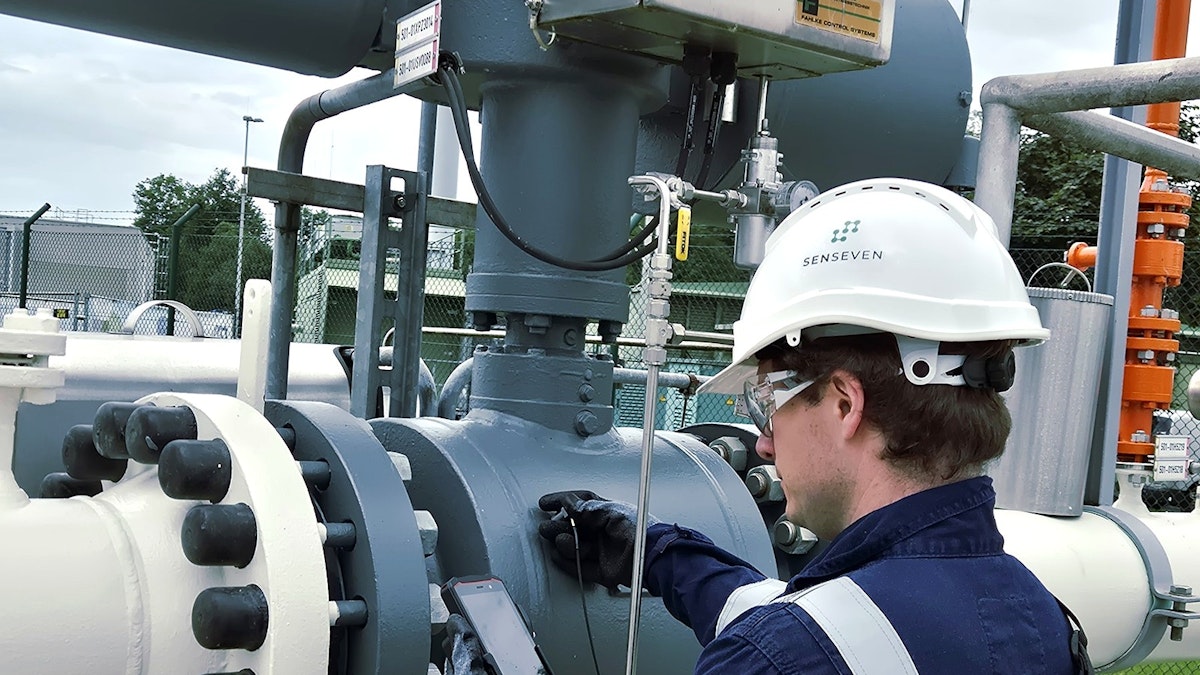
Valve leakage: just a nuisance or a serious problem?
Industry experience has shown that 5-10% of valves installed in industrial assets are leaking, and 1-2% of valves cause 70% of total damage. Leaking valves can lead to energy losses, contamination of process goods, unplanned downtime and, in the worst case, to health and safety issues and environmental pollution. Undetected leaks can result in losses in the six-digit range over the years.
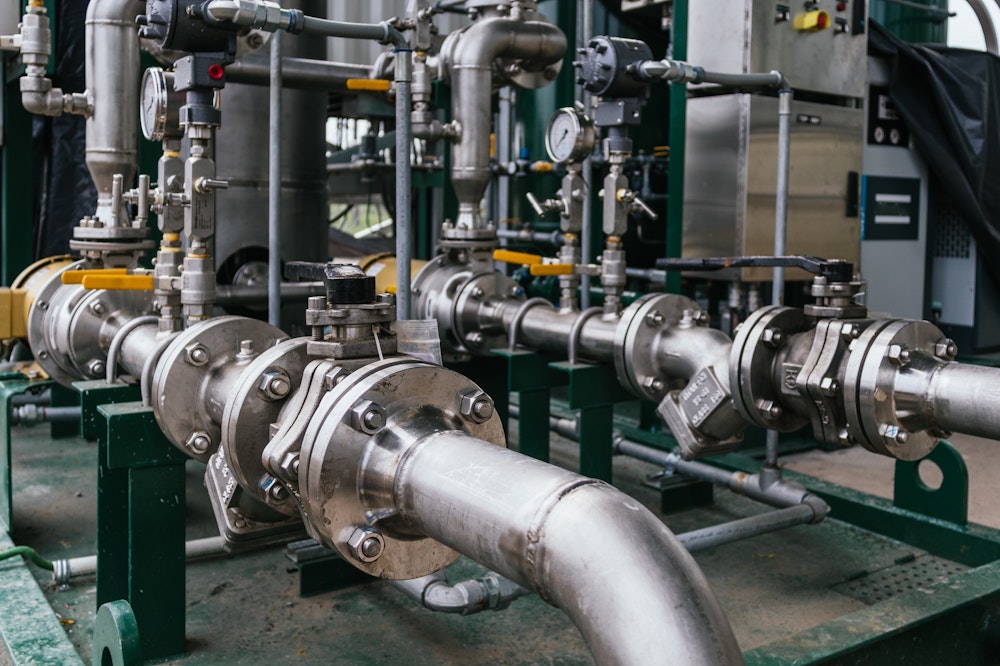
Nowadays different methods are used for valve inspection, the most common being inspection devices based on ultrasound or acoustic emission. Acoustic emission testing is ideal for detecting leaks in valves. The reasons for this are the low necessary differential pressure (below 1 bar), the robustness against ambient noise, the fact that there is no need to disassemble the valve or intervene in the process and the ability to detect the smallest leaks. The size of the leak depends on the viscosity of the medium and the differential pressure. Over the last decades, the application of acoustic emission for valve inspection has developed greatly and European and global standards have been implemented (e.g. ISO 18081).
So far so good, but is it really that easy to identify leaking valves?

Senseven has talked to different companies from various industries facing the problem. Although acoustic emission is a common standard for valve inspection and inspection devices can easily be bought, in practice, companies still struggle with the following points:
- Portable devices available in the market are bulky and have limited functionalities.
- The Inspection team needs to be experienced and trained in order to perform the measurement correctly.
- Slight tilting of the sensor or a lack of coupling material leads to large deviations.
- Information about the valve (e.g. size, ID) or the process (medium) cannot be easily retrieved.
- Interpretation of the acoustic emission signal is highly time-consuming and depends on the experience of the person doing the job.
- The leak rate can currently only be estimated.
Shouldn't digitization in the 21st century be able to make valve inspection easier?
Senseven is now taking a new approach and combining the established technology of acoustic emission with digitization measures.
“We have a clear mission to empower everyone to inspect industrial assets with our solution”, says Michael Hettegger, Co-founder and CEO of Senseven. “ In a world where everyone is talking about industry 4.0 companies should be able to regularly inspect their own assets, record and store data in a standardized and structured way and use the gathered information to derive the impact of a damage and generate reports directly on site”.
Senseven supports its customers on that journey by simplifying their inspection process:
- Senseven offers a handy, digital solution based on a smartphone, acoustic emission sensors and open software interfaces.
- Valves are identified via RFID tags (or QR codes) and relevant data about the process is accessed via asset management systems.
- Operators are guided through the inspection process by the Senseven App.
- Results are delivered directly on site.
- Reports are automatically generated based on the ISO 18081.
- The continuous development of an AI database will enable companies to determine the extent of the damage (e.g. size of leakage).
Senseven looks forward to more traveling companions on the journey to make valve inspection easier for their maintenance staff.