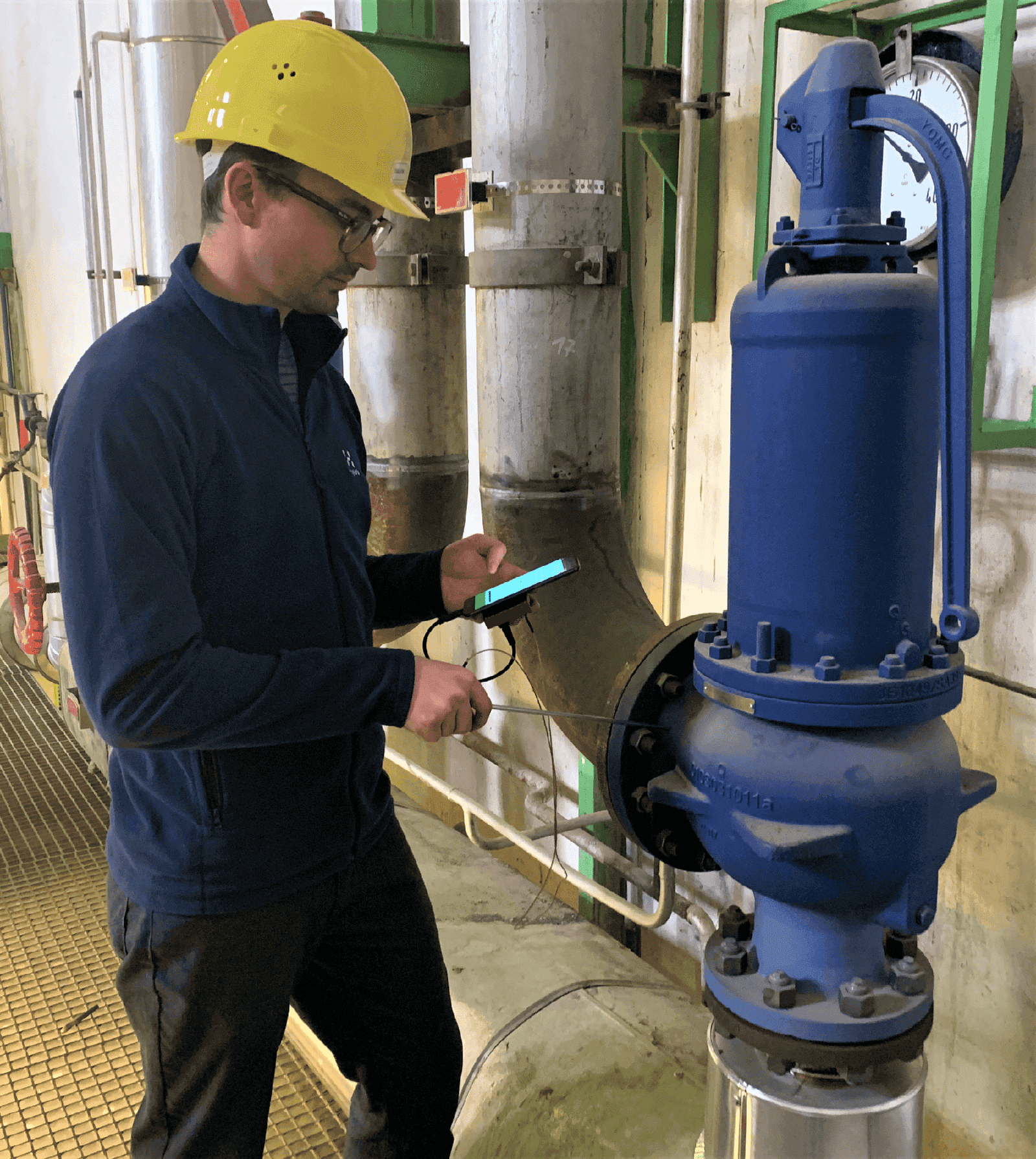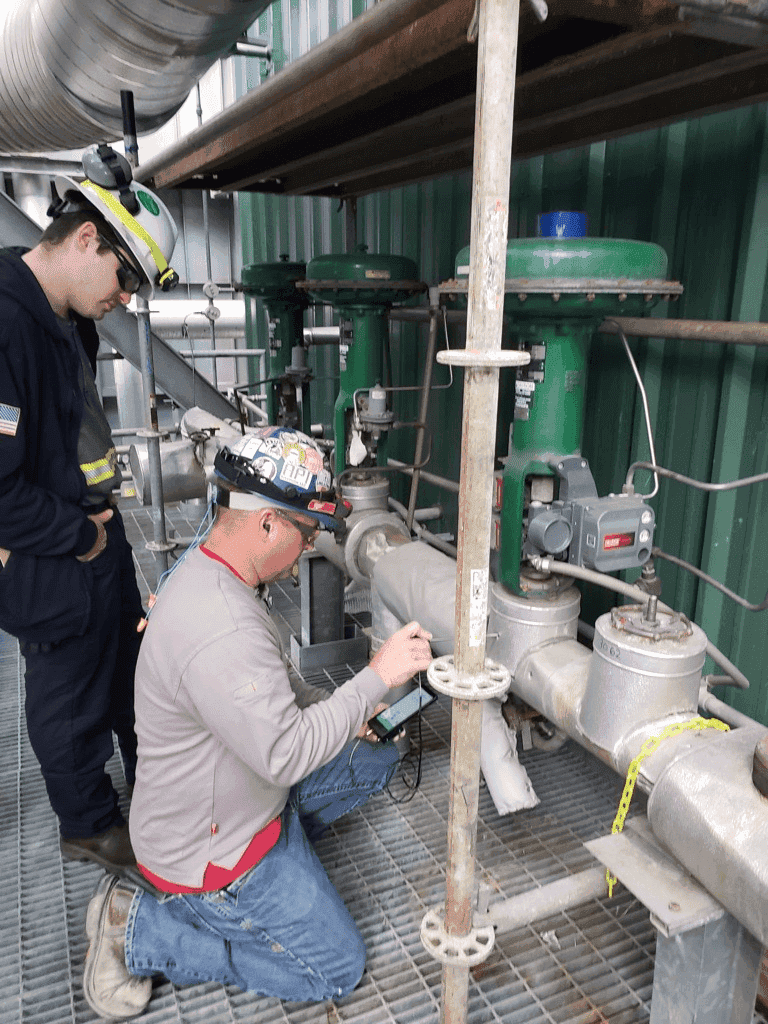

Are your valves tight? And by that we mean they have no internal leakage that could endanger your process.
Not sure about it? Senseven supports you to inspect valves in a fast and easy way.
Valves - important components in many industrial processes
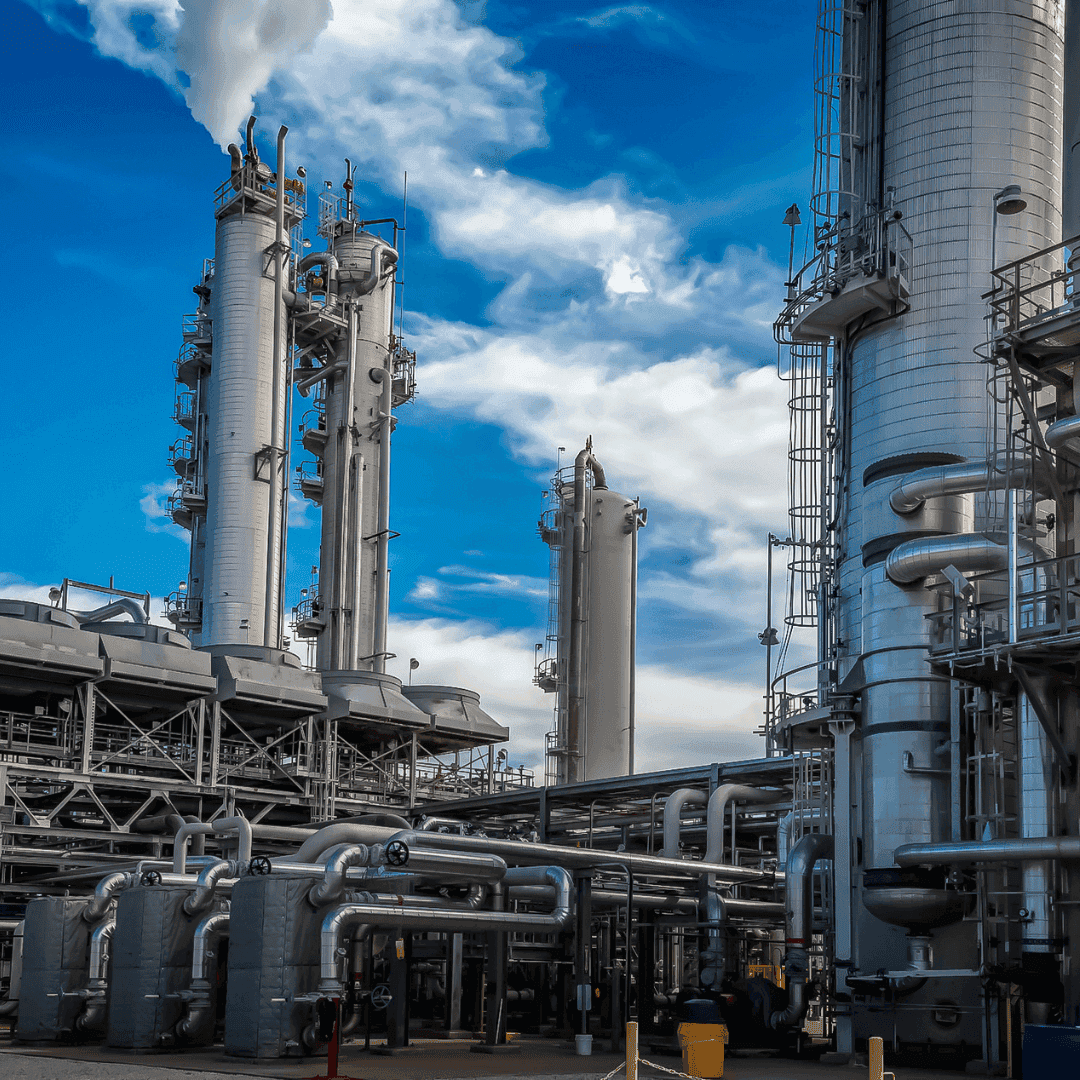
Assets in chemical, pharmaceutical, steel, food and other industrial process facilities often operate in high-temperature, high pressure environments and sometimes even engage with hazardous chemicals. In all these processes valves play a crucial role in transporting a medium (e.g. gas, oil, water, product). Valves regulate flow, prevent flow or backflow and support in regulating pressure in assets.
But what happens if valves do not close properly?
Leaking valves can lead to losses (of energy, product, chemicals,…), impact product quality and can lead to potential downtime and affect your process efficiency. Leaking valves can therefore be a danger for trouble-free production processes. Senseven can help to avoid that.
Case study
The following example shows a case study where leaking valves or inefficient maintenance processes have a strong impact on process efficiency, health and safety risks and cause additional costs. Regular inspection with Valve Sense can mitigate the impacts.
Avoid efficiency loss, unnecessary downtime and high economic impact
The situation: In a chemical plant, around 2000 valves are removed every year and either replaced or tested on the test bench
The problem: 25-30% of the removed valves are ok and do not need to be removed
Result and implications:
- Poor efficiency in maintenance process
- Unnecessary downtime of one day
- Resources are wasted
- Economic impact of EUR 240,000/day *
- *1h of unnecessary downtime costs the company EUR 10,000
Avoid damages caused by through-valve leakage with regular valve inspection
Fast and easy
Valve Sense on site